
Nevada Med Billing logo
Oncology infusion suite where a Nevada cancer care team treats a patient
Specialty Billing for Oncologist, Nevada

Oncology Billing Services in Nevada

Oncology claims are the highest dollar and least forgiving in medicine. A single infusion visit can carry chemotherapy, hydration, and supportive drug administration billed in strict sequence. A radiation course spans weeks of planning, delivery, and weekly management, each with its own code. One unit error or one missed authorization can cost thousands on a single claim. We built our process around both medical and radiation oncology, so the errors that cost the most never happen in the first place.

Or call (631) 652-3106
96 to 98% clean claim rateUnder 6% denial rateClaims submitted within 48 hoursUnder 25 days in A/R96 to 98% clean claim rateUnder 6% denial rateClaims submitted within 48 hoursUnder 25 days in A/R

The six issues that cost Nevada
oncology practices the most

Oncology billing rewards precision and punishes shortcuts harder than almost any other specialty. Here's where practices lose revenue, and how we close each gap.

  1. J-code units, wastage, and the JW modifier

    Drug units and documented wastage are reconciled against administration records before billing, with the JW modifier applied correctly for single-use vial discard. Unit errors are costly in both directions. Undercoding leaves money on the table. Overcoding invites an audit.

  2. Infusion and injection hierarchy

    Chemotherapy, therapeutic infusions, hydration, and supportive injections follow a required billing sequence, and each needs documented start and stop times to support the time-based codes behind them. Missequencing is one of the most common sources of preventable denials in oncology.

  3. Authorization for regimens and radiation courses

    Authorizations are obtained and tracked per regimen cycle or per radiation course, with renewals requested before the next cycle or fraction is scheduled. When a regimen changes mid-treatment, the authorization gets updated the same day, not after the next claim bounces.

  4. Buy-and-bill margin protection

    Reimbursement is monitored against acquisition cost under the ASP plus 6% Part B model, so underpayment on high-cost drugs, biologics, and emerging therapies gets caught right away instead of discovered at quarter's end.

  5. Radiation oncology's own coding framework

    Treatment planning, simulation, physics services, delivery, and weekly management each require distinct coding that reflects the physician's actual role and the patient's treatment schedule. The most recent restructuring of radiation delivery codes changed how complexity level and image guidance get billed, and practices still coding against the old framework are leaving money on the table or risking denials.

  6. Bundled codes and NCCI edits

    Many oncology procedures get bundled into a single code, but treatment frequently varies from the exact bundle. That means knowing exactly what's included and what has to be billed separately. Getting this wrong in either direction, adding services that duplicate the bundle or missing services that should be billed apart from it, creates denial risk.

Oncology providers and practices
we bill for in Nevada

Medical oncologists

Evaluation and management visits, chemotherapy administration, and supportive drug therapy billed in the correct hierarchy, with J-code accuracy and wastage documentation built into every infusion day.

Radiation oncologists

Treatment planning, simulation, physics services, delivery, and weekly management coded to the current complexity-level framework, with image guidance billed correctly as a technical or professional component depending on the code.

Hematologist-oncologists

The same infusion and J-code discipline applied to hematologic malignancies and blood disorders, where drug regimens and monitoring visits often follow their own cadence.

Surgical oncologists

Biopsies, tumor excisions, and port placements billed with the modifier accuracy that surgical and oncology rules both require, especially where the two overlap.

Infusion centers, hospital-based and freestanding

High-volume infusion days billed with the same sequencing and wastage discipline whether the center sits inside a hospital system or operates independently.

Multi-disciplinary cancer centers

Coordinated coding across medical, radiation, and surgical oncology teams under one roof, so a patient's care across specialties turns into one clean set of claims instead of three disconnected ones.

Oncology subspecialties
we bill and code for

Cancer care splits into distinct subspecialties, and each one carries its own diagnostic codes, treatment patterns, and documentation requirements. Here's the range we cover.

Medical oncology

Chemotherapy, targeted therapy, immunotherapy, and other systemic treatments coded with the sequencing and J-code accuracy the drug administration hierarchy requires.

Surgical oncology

Biopsies, tumor excisions, and port placements coded where oncology and surgical billing rules intersect, with documentation and modifier accuracy for every procedure.

Radiation oncology

Treatment planning, simulation, delivery, and weekly management coded across every technique, including SBRT, IMRT, and brachytherapy, to the current complexity-level framework.

Hematologic oncology

Blood cancers and disorders billed with the same infusion and J-code discipline as solid tumor chemotherapy, adjusted for the monitoring visits and drug regimens hematologic care typically follows.

Gynecologic oncology

Surgical and chemotherapy billing for gynecologic cancers, with diagnosis coding and procedure sequencing specific to this patient population.

Pediatric oncology

Billing built around the documentation and authorization patterns pediatric cancer care requires, including age-specific coding considerations and the family-facing sensitivity pediatric billing calls for.

Urologic oncology

Billing for prostate, bladder, kidney, and testicular cancer care, spanning diagnostic procedures, surgical intervention, and any systemic treatment that follows.

Breast oncology

Diagnostic imaging, biopsy, surgical, and systemic treatment billing coordinated across the full breast cancer care pathway, from initial workup through survivorship.

Thoracic oncology

Lung and chest cancer billing, including biopsy, surgical, and radiation coding for a subspecialty where staging and treatment sequencing directly affect which codes apply.

GI oncology

Billing for colorectal, pancreatic, gastric, and other gastrointestinal cancers, coordinated across the surgical, medical, and radiation oncology teams that often share these cases.

Why Nevada oncology practices
choose Nevada Med Billing

Oncology billing punishes a generalist harder than almost any other specialty. A JW modifier applied incorrectly or a radiation code billed under the wrong complexity level can be worth thousands of dollars on its own. Here's what a specialty partner actually does differently.

Built for both medical and radiation oncology

Most billing companies treat radiation oncology as an afterthought to chemotherapy billing. We treat them as two equally demanding disciplines, each with its own code families, its own documentation rules, and its own denial patterns.

Drug reimbursement protected, not assumed

We reconcile drug units and wastage against administration records before every claim, apply the JW modifier where it applies, and monitor reimbursement against acquisition cost so underpayment on high-cost regimens gets caught immediately.

Audit-ready documentation from the start

We track the Local Coverage Determinations that apply to your Medicare Administrative Contractor, so if a claim draws a Recovery Audit Contractor review, the documentation behind it is already built to withstand one.

A Nevada team with Nevada payer knowledge

We're a Nevada based billing partner, not a national vendor treating your state as one line item among fifty. Every workflow is HIPAA compliant, with a signed Business Associate Agreement in place before any PHI changes hands.

One point of contact

Your practice gets a dedicated account contact who knows your provider mix, your regimens, and your denial patterns, not a rotating support queue.

Oncology CPT,
HCPCS, and ICD-10 codes we bill correctly, every time

Oncology coding spans two distinct disciplines under one specialty. Here's exactly what we work, medical and radiation, and why each family matters.

Chemotherapy and infusion codes

CodeService
96413Chemotherapy infusion, initial hour
96415Chemotherapy infusion, each additional hour
96417Chemotherapy infusion, additional sequential infusion
96360 / 96361Hydration services, sequenced after chemo administration
96372 / 96374Injection administration for supportive and antiemetic drugs

Drug and HCPCS J-codes

CodeNote
J9299, J9271Example chemotherapy and immunotherapy drug J-codes, among dozens tied to specific agents
JW modifierDocuments drug wastage from single-use vials, a direct reimbursement protection

Radiation oncology codes

CodeService
77261 to 77263Clinical treatment planning, by complexity level
77402 / 77407 / 77412Radiation treatment delivery, by complexity level, the current framework that replaced older technique-specific codes
77387Image guidance, professional component
77427Radiation treatment management, weekly

Component and provider-type billing

TermMeaning
TC / 26 modifiersTechnical and professional component split, used for imaging, pathology, and radiation image guidance
Incident-to billingServices delivered by a supervised nurse practitioner or physician assistant, billed correctly when incident-to requirements are met

ICD-10 diagnosis coding

CodeUse
C00 to C96Active malignancy, by site
Z51.0 / Z51.11Encounter for chemotherapy or radiotherapy, when the visit's primary purpose is treatment administration
Z85.xPersonal history of malignant neoplasm, used for post-treatment surveillance visits

Sequencing these correctly, active disease versus encounter-for-treatment versus history-of, is one of the most common places oncology claims get denied or misread by a payer. Coding requirements vary by payer, provider type, and documentation. This overview is educational, not billing advice for a specific claim. We verify current payer policy before every submission.

Procedure-level oncology
billing expertise

Beyond core RCM, here's how we handle the specific coding scenarios that drive the most denials and revenue leakage in oncology.

Chemotherapy and infusion billing

Administration hierarchy documented and coded correctly, chemotherapy before therapeutic infusions before hydration, with concurrent and sequential drug administration captured accurately and start and stop times supporting every time-based code.

Buy-and-bill and emerging therapies

HCPCS J-code selection, dosage unit reporting, and JW modifier documentation applied precisely for established chemotherapy agents as well as high-cost biologics, immunotherapy, and CAR-T cell therapy, with reimbursement monitored against acquisition cost under the ASP plus 6% model.

Radiation oncology billing

Separate, coordinated coding across every phase of a radiation course, from clinical treatment planning through simulation, physics services, delivery, image guidance, and weekly treatment management, tracked against current payer-specific implementation of the latest code framework.

Surgical oncology support

Biopsies, tumor excisions, and port placements coded where oncology and surgical billing rules intersect, with modifier accuracy applied at every point they overlap.

Genetic and molecular testing billing

Orders for hereditary cancer panels, biomarker testing, and companion diagnostics coded and billed to support the treatment decisions they inform, with documentation tied clearly to medical necessity.

Clinical trial billing

Routine costs billed to the patient's insurer and trial-specific costs billed to the sponsor, kept clearly separated so a clinical trial encounter never gets billed against the wrong party.

Off-label treatment and survivorship documentation

When a drug is used off-label, the medical necessity documentation has to be stronger than usual to support the claim, and we build that case at the time of treatment rather than reconstructing it after a denial. We also code disease surveillance and survivorship care visits correctly using history-of-malignancy diagnosis codes, so a follow-up visit years after active treatment doesn't get billed, or reimbursed, as if the cancer were still active.

Full-cycle oncology
revenue cycle management

  1. 01

    Eligibility and benefits verification

    Coverage confirmed for chemotherapy, radiation therapy, PET scans, and targeted treatments before treatment begins, not discovered mid-course.

  2. 02

    Prior authorization management

    Authorizations secured and tracked per regimen cycle or per radiation course, with renewals requested ahead of expiration and updates made the same day a regimen changes mid-treatment.

  3. 03

    Medical coding and modifier management

    Certified coders apply the correct chemotherapy, infusion, radiation, and surgical oncology codes, with modifier validation, including TC and 26 component splits and incident-to billing rules, built into every claim before it leaves the queue.

  4. 04

    Claims submission and pre-submission scrubbing

    Clean claims submitted within 48 hours, with sequencing, bundling, and NCCI edit checks run before a claim ever reaches the payer, not caught after the fact.

  5. 05

    Denial management and appeals

    Every denied claim reviewed for root cause, whether it's a sequencing error, an authorization gap, a bundling mismatch, or a documentation issue, and appealed with the specific clinical evidence each denial requires.

  6. 06

    A/R follow-up and unbilled queue management

    Proactive follow-up on outstanding balances, with particular attention to high-dollar oncology claims, and unbilled charges worked down as an active queue rather than left to age untouched.

  7. 07

    ERA posting and reconciliation

    Electronic remittance advice files are posted and reconciled the day they arrive, with underpayment on high-cost drugs flagged immediately rather than discovered in a quarterly review.

  8. 08

    Patient statements and collections

    Clear, structured patient billing for a population that's often navigating both a cancer diagnosis and a complex insurance picture at the same time.

  9. 09

    Credentialing and payer enrollment

    Enrollment and credentialing with commercial payers, Medicare, and Nevada Medicaid, so new oncologists and new locations never bill against a pending contract.

NCCI compliance,
audit defense, and the Nevada oncology market

Most billing companies stop at submitting your claims. We go a level deeper into the specifics that decide whether a Nevada oncology claim gets paid in full and stays paid.

  • NCCI edits and bundled-service compliance

    Many oncology procedures bundle into a single code, but treatment regularly varies from the exact bundle. We know what's included and what needs separate billing, so a variation like a different anesthetic or an added service doesn't trigger a denial for duplication, and nothing that should be billed separately gets absorbed silently into the bundle.

  • Mid-treatment regimen changes

    Cancer treatment plans shift quickly based on patient response. When a dosage changes or a regimen switches mid-cycle, we update the prior authorization and payer documentation the same day, so the next claim doesn't stall on an authorization mismatch.

  • Local Coverage Determinations and RAC audit defense

    Each Medicare Administrative Contractor publishes its own Local Coverage Determinations setting medical necessity standards for specific oncology drugs and procedures, and these vary by jurisdiction. We track the LCDs that apply to your MAC directly, and if a claim ever draws a Recovery Audit Contractor review, your documentation is already built to withstand it rather than assembled after the fact.

  • Emerging therapy coding

    CAR-T cell therapy, immunotherapy, targeted biologics, and biosimilars each carry their own coding and prior authorization requirements, and new codes appear as treatments evolve. We stay current on CPT and HCPCS changes as they're published rather than catching up after a claim denies.

  • Nevada oncology payer landscape

    We track Nevada Medicaid, Medicare, and commercial payer rules for oncology directly, including authorization thresholds and rate structures specific to the state, rather than applying a generic multi-state template to a Nevada claim.

Results Nevada oncology
practices see after switching

  • 96–98%

    Clean claim rate

  • Under 6%

    Denial rate

  • Under 25

    Days in A/R

  • 48 hours

    Claims submitted within

Drug wastage documentation used to be an afterthought for us. Now every vial is accounted for, and our reimbursement on high-cost regimens finally matches what we're actually spending.
Nick
Medical Oncology Practice, North Las Vegas, NV
Our radiation billing was still coded against the old framework when we switched. They caught it in the first review and got us current within weeks.
Jessica
Radiation Oncology Center, Las Vegas, NV
When a patient's regimen changes mid-cycle, we used to lose a week waiting on a new authorization. Now it happens the same day.
James
Practice Manager, Henderson, NV

Oncology billing
support across Nevada

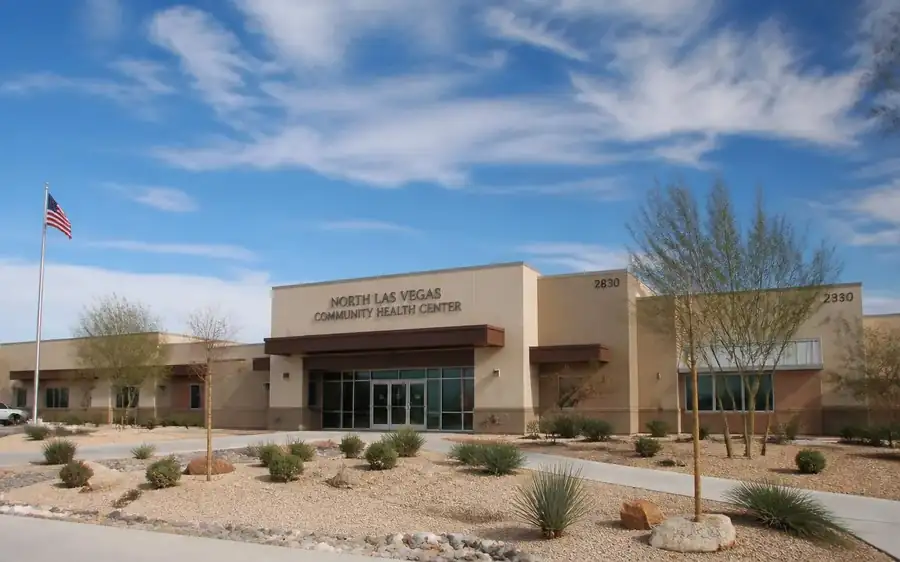
Oncology billing in Las Vegas, Nevada

Oncology billing in Las Vegas

Home to Nevada's largest concentration of oncology practices, including multi-disciplinary cancer centers and hospital-affiliated infusion and radiation programs.

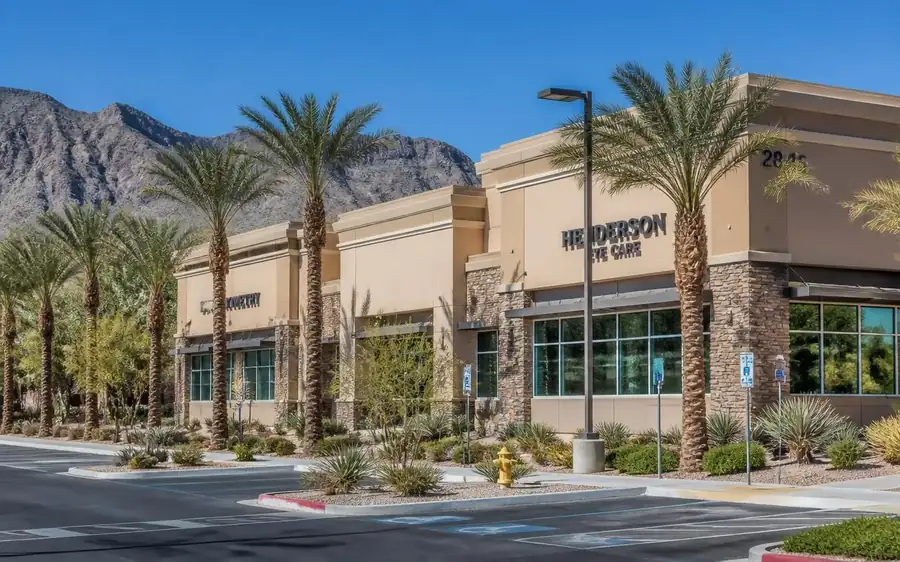
Oncology billing in Henderson, Nevada

Oncology billing in Henderson

Group oncology practices and freestanding infusion centers get the same J-code discipline and authorization tracking as our Las Vegas clients.

Oncology billing in Reno, Nevada

Oncology billing in Reno

Group oncology practices and freestanding infusion centers get the same J-code discipline and authorization tracking as our Las Vegas clients.

Oncology billing in North Las Vegas, Nevada

Oncology billing in North Las Vegas

Solo and small-group oncology practices get the same coding accuracy and credentialing support as larger centers, with pricing that scales with collections.

Oncology billing in Carson City, Nevada

Oncology billing in Carson City

Solo and small-group oncology practices get the same coding accuracy and credentialing support as larger centers, with pricing that scales with collections.

Solo and small-group oncology practices across Nevada get the same coding accuracy and credentialing support as larger centers, with pricing that scales with collections.

Frequently asked questions

Can't find what you need? Our Nevada team answers every question before you commit.

Most Nevada practices are fully onboarded in 10 to 14 business days. We map your workflows, connect to your EHR and clearinghouse, migrate open work, and run a parallel period so nothing gets dropped during the transition.

Yes. We code treatment planning, simulation, delivery, image guidance, and weekly management for radiation oncology, alongside chemotherapy and infusion billing for medical oncology, under one coordinated workflow.

We reconcile documented wastage against administration records for every single-use vial and apply the JW modifier correctly, so wastage reimbursement gets captured rather than left unclaimed.

We update the prior authorization and payer documentation the same day a dosage or drug changes, so the next claim in that cycle doesn't stall on an authorization mismatch.

Yes. We stay current on new CPT and HCPCS codes for CAR-T cell therapy, immunotherapy, targeted biologics, and biosimilars as they're published, including the prior authorization documentation these treatments typically require.

Yes. We know what's included in a bundled oncology code and what needs to be billed separately, so variations in treatment don't trigger denials for duplication and nothing billable gets absorbed silently into a bundle.

We track the Local Coverage Determinations that apply to your Medicare Administrative Contractor and build documentation to that standard from the start, so a Recovery Audit Contractor review isn't a scramble.

Yes. Biopsies, tumor excisions, and port placements are coded where oncology and surgical billing rules intersect, with the modifier accuracy both require.

Yes. We manage enrollment and credentialing with commercial payers, Medicare, and Nevada Medicaid, including revalidation, so new oncologists never bill against a pending contract.

Yes. Solo and small-group practices make up a meaningful share of our client base. Pricing scales with collections, with no large-group minimum.

Every workflow is HIPAA compliant. Access is role-based and logged, staff complete annual HIPAA training, and we sign a Business Associate Agreement before any PHI is exchanged.

Free revenue audit

Get a free oncology billing audit for your Nevada practice

Book a free 90-day revenue audit. We review your claims, denials, and aging, J-code by J-code, cycle by cycle, then show you exactly where the money is going. No cost, no obligation. We respond within one business day.