Nevada Med Billing logo
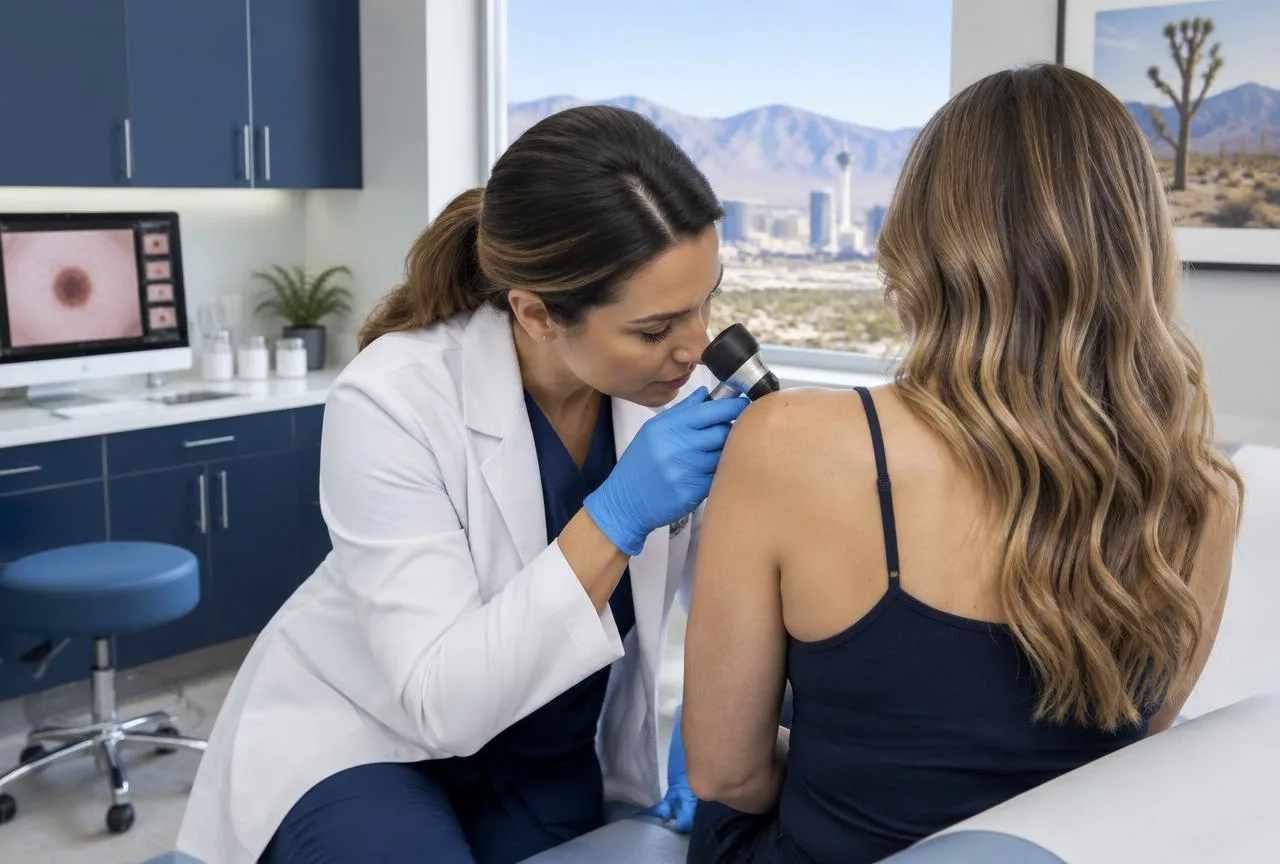
Nevada dermatologist examining a patient's skin during a high-volume clinic day
Dermatology Specialty Billing — Nevada

Dermatology Billing Services in Nevada

Dermatology claims are based on lesion counts and sizes, Mohs surgery staging, pathology linkage and modifier accuracy. Our coders work high-volume medical, surgical and cosmetic derm days for Nevada practices without losing detail — and without letting a missed modifier snowball into a pile of denials.

Or call (631) 652-3106
95–98% clean-claim rate on dermatology claims20–30% increase in collections per visit75–85% denied-claim appeal overturn rate25–35% reduction in AR days over 9095–98% clean-claim rate on dermatology claims20–30% increase in collections per visit75–85% denied-claim appeal overturn rate25–35% reduction in AR days over 90

Where Nevada dermatology
practices lose revenue

Dermatology revenue is lost in coding complexity, not volume. Here's where it happens — and how we close each gap.

  1. Multi-procedure coding complexity

    High-volume encounter days with several simultaneous CPT codes, modifier sequences, and lesion-specific variables create real risk of undercoding. We validate the full procedure set on every encounter before it leaves our queue.
  2. Modifier misuse & missing documentation

    Modifiers 25, 51, 59, 76, and XS are the leading cause of dermatology denials, especially for same-day E/M-plus-procedure combinations. We apply and document each one defensibly, not reflexively.

  3. Cosmetic vs. medical revenue confusion

    Misclassifying a medically necessary procedure as cosmetic — or the reverse — creates compliance risk and lost insurance revenue. We separate cosmetic and medical billing workflows at the point of documentation, not after the fact.

  4. Lesion measurement & site specificity

    Excision and destruction codes depend on documented size, count, and anatomic site. We flag notes that won't support the claim before submission, not after a denial.

  5. Mohs staging & repair complexity

    Stage-by-stage Mohs billing requires precise documentation of each surgical stage, defect dimension, and repair procedure. Incomplete staging records are one of the most common ways dermatology practices leave real money on the table.

  6. Pathology billing coordination

    Multi-biopsy encounters, in-office pathology technical/professional (TC/26) component billing, and coordination with external labs create overlapping claim risk. We match specimen billing to pathology results before either claim goes out.

Dermatologists,
Mohs surgeons & cosmetic practices we bill for in Nevada

General & medical dermatologists

Routine visits, biopsies, excisions, and destruction procedures coded to documented size, count, and anatomic location every time.

Mohs surgeons & dermatologic surgery centers

Stage-by-stage Mohs micrographic surgery coding (17311–17314) matched to operative notes, including reconstruction and repair codes sized to wound location and complexity.

Cosmetic & med-spa-adjacent dermatology practices

Separate, clean workflows for self-pay cosmetic procedures alongside medically necessary billing under the same practice, so documentation never crosses between the two.

Dermatology PAs & nurse practitioners

Same coding accuracy and modifier discipline whether the rendering provider is a physician or a supervised PA/NP, billed under the correct provider and incident-to rules.

Multi-provider & multi-location dermatology groups

Consolidated coding, credentialing, and denial management across mixed-provider groups — general dermatology, Mohs, and cosmetic — instead of billing each location in isolation.

Dermatology CPT,
HCPCS & ICD-10 codes we bill correctly, every time

Procedure-heavy specialties live or die on code-to-documentation matching. Here's exactly what we code and why each family matters.

Biopsy codes

CodeService
11102 / 11103Tangential biopsy, single lesion / each additional
11104 / 11105Punch biopsy, single lesion / each additional
11106 / 11107Incisional biopsy, single lesion / each additional
40490Biopsy of lip
69100Biopsy of external ear

Excision codes

CodeService
11400–11446Benign lesion excision — coded by site, size, and diameter
11600–11646Malignant lesion excision — requires pathology confirmation before coding

Destruction & cryotherapy codes

CodeService
17000Destruction, premalignant lesion (e.g. actinic keratosis), first lesion
17003Destruction, premalignant lesions, 2–14
17004Destruction, premalignant lesions, 15+
17106–17286Destruction of benign/premalignant lesions by method and size
17110Destruction, benign lesions other than skin tags, up to 14

Mohs micrographic surgery codes

CodeService
17311Mohs, head/neck/hands/feet, first stage
17312Mohs, head/neck/hands/feet, each additional stage
17313Mohs, trunk/arms/legs, first stage
17314Mohs, trunk/arms/legs, each additional stage
—Reconstruction/repair codes billed separately by wound size and location

Pathology codes

CodeService
88304Surgical pathology, Level III
88305Surgical pathology, Level IV — most skin specimens
88312Special stain, with interpretation and report
88341Immunohistochemistry / immunocytochemistry

Phototherapy, photodynamic & laser codes

CodeService
96900Actinotherapy (UV light)
96910–96913Photochemotherapy / narrowband UVB
96567 / 96574Photodynamic therapy, external application
J7308Aminolevulinic acid HCl, topical (photodynamic therapy drug)
96920 / 96921Laser treatment for inflammatory skin disease

Patch testing & E/M codes

CodeService
95044Patch testing for contact dermatitis — requires accurate antigen count and interpretation note
99213-25Outpatient E/M, separately identifiable on procedure day

ICD-10 diagnosis examples

CodeDiagnosis
L57.0Actinic keratosis
L70.0Acne vulgaris
L40.xPsoriasis
C44.91Basal cell carcinoma, unspecified
C43.xMalignant melanoma

Coding requirements vary by payer, provider type, and documentation. This overview is educational, not billing advice for a specific claim — we verify current payer policy before every submission.

Procedure-level dermatology
billing expertise

Beyond core RCM, here's how we handle the specific coding scenarios that drive the most denials and revenue leakage in dermatology.

Skin lesion excision billing

We code excisions from operative notes and pathology results, selecting the correct code (11400–11446 benign, 11600–11646 malignant) by lesion type, size, and anatomic site.

Mohs surgery billing

Each Mohs stage is coded using 17311–17314, with reconstruction and repair codes added by wound size and location, so no stage or repair goes uncaptured.

Cryotherapy & lesion destruction billing

Quantity-based coding for actinic keratosis destruction — 17000 for the first lesion, 17003 for 2–14, 17004 for 15+ — with accurate per-encounter lesion counting and site documentation.

Biopsy & pathology coordination

Multi-biopsy encounters are coded by technique and specimen count, with pathology coordination to prevent duplicate billing and orphaned 88305 claims.

Cosmetic vs. medical coding

We separate cosmetic and medically necessary services at every visit, so insurance-billed care and self-pay cosmetic procedures never cross-contaminate documentation.

Phototherapy & laser billing

Narrowband UVB, photodynamic therapy, and laser treatment for inflammatory skin disease billed with documented treatment area, dose, and session count to meet payer medical-necessity standards.

Teledermatology billing

Synchronous and asynchronous store-and-forward telehealth billing, matched to current payer policy and Nevada's telehealth coverage rules.

Patch testing & allergy billing

Patch testing claims billed with accurate antigen counts and interpretation documentation to support reimbursement from commercial payers and Medicare.

Full-cycle dermatology revenue cycle management,
from coding to credentialing

  1. 01

    Eligibility & benefits verification

    We confirm coverage, deductibles, copays, and cosmetic exclusions before each encounter, catching coverage-related denials before they happen.

  2. 02

    Prior authorization management

    Full authorization lifecycle support for Mohs surgery, phototherapy, biologics, and other high-value treatments — submission, follow-up, and appeals handled end to end.

  3. 03

    Medical coding & modifier management

    Certified coders map documented procedures to CPT, ICD-10, and HCPCS codes, with modifier validation (25, 51, 59, 76, XS) built into every claim before it leaves our queue.

  4. 04

    Claims submission & scrubbing

    Clean claims submitted electronically with multi-procedure sequencing and modifier checks — catching what generic clearinghouse scrubbing misses.

  5. 05

    Denial management & appeals

    Every denied claim is reviewed for root cause — modifier error, cosmetic classification, documentation gap — and appealed with the specific clinical evidence each denial reason requires.

  6. 06

    Accounts receivable follow-up

    Proactive follow-up on outstanding balances keeps AR days below benchmark and prevents revenue aging on high-volume procedure days.

  7. 07

    Patient statements & collections

    Transparent, structured patient billing for both insurance-covered and cosmetic services, improving collections while preserving the practice-patient relationship.

  8. 08

    Payment posting & reconciliation

    All payer and patient payments posted and reconciled daily against expected reimbursement, so your books stay audit-ready.

  9. 09

    Credentialing & payer enrollment

    We manage enrollment and credentialing with commercial payers, Medicare, and Nevada Medicaid to keep contracts active and prevent credentialing-related claim delays.

Defensible dermatology billing: Noridian
LCD compliance & audit safeguards

High-volume dermatology encounters draw heavy regulatory scrutiny from CMS and commercial payers. We build defensive documentation and coding protocols that protect your practice against RAC audits, payer reviews, and clawbacks.

Noridian Healthcare Solutions (JE Part B) LCD alignment

As Nevada's Medicare Administrative Contractor (MAC), Noridian Healthcare Solutions enforces strict Local Coverage Determinations (LCDs) for skin lesion removals, cryotherapy, and Mohs surgery. We build Noridian's exact clinical documentation indicators — such as bleeding, intense itching, obstruction, or rapid growth — directly into pre-claim scrubbing to validate medical necessity before submission.

AAPC & AHIMA certified dermatology coders

Our billing team is led by certified professional coders (AAPC / AHIMA) with specialty certifications in dermatology and surgical coding. Every high-complexity claim — including same-day E/M visits with procedures, multi-stage Mohs cases, and complex flap repairs — is reviewed by an expert who understands dermatologic anatomy and documentation standards.

Pre-submission internal chart audits & RAC defense

We run ongoing internal audits on high-risk coding scenarios like modifier 25 usage, same-day biopsy/excision combinations, and pathology component billing (TC/26). If an insurance audit or Recovery Audit Contractor (RAC) inquiry occurs, we compile complete clinical documentation, operative notes, and pathology logs to defend your earned revenue.

Medicare LCD policy,
biologic authorizations & the Nevada dermatology market

This is where most billing companies stop at “we check insurance.” We go a level deeper into the specifics that decide whether a Nevada dermatology claim gets paid.

  • Medicare Local Coverage Determination (LCD) monitoring

    Medicare's Local Coverage Determinations set procedure-specific medical-necessity and documentation requirements that change and vary by region. We monitor LCD updates relevant to dermatology and commercial payer policy changes together, so documentation requirements are met before a claim is submitted, not discovered after a denial.

  • Biologic prior authorization management

    Biologic therapies for psoriasis, atopic dermatitis, and related conditions carry heavy prior-authorization burden and frequent specialty-pharmacy coordination. We manage the full authorization lifecycle for biologic treatments, reducing the patient-access delays that come with under-tracked PA renewals.

  • Cosmetic vs. medical payer rules

    The same procedure — a laser treatment, a filler, a destruction code — can be billable to insurance or self-pay-only depending on documented medical necessity, and payers differ on where that line sits. We apply payer-specific rules at the point of documentation, not after a claim is denied as cosmetic.

  • The Nevada dermatology billing market

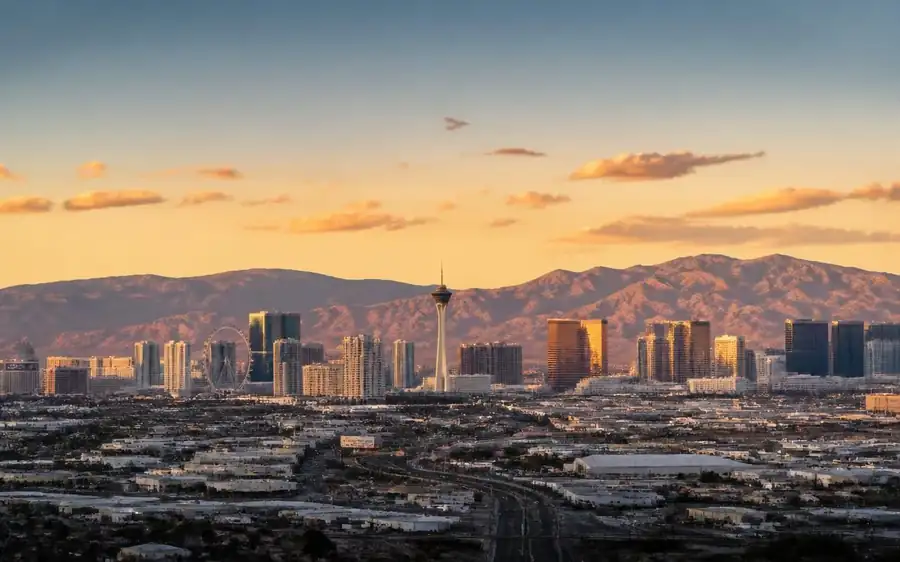
    Nevada's dermatology billing market is concentrated in Las Vegas, Henderson, and Reno — the state's highest-volume metro areas for dermatology practices, where documentation and modifier discipline matter most given claim volume. Nevada Medicaid covers dermatology services for eligible beneficiaries, with plan-specific authorization rules and rate structures that we track directly rather than applying a generic multi-state template.

Results Nevada dermatology
practices see after switching

  • 95–98%

    clean-claim rate on dermatology claims

  • 20–30%

    increase in collections per visit

  • 25–35%

    reduction in AR days over 90

  • 75–85%

    denied-claim appeal overturn rate

Our modifier-related denials dropped noticeably within the first couple of months. Our clean-claim rate improved and stayed there — not just a one-time bump.
Patrick
Dermatology group practice, Henderson, NV
Separating our cosmetic and medical billing properly changed how we run the front desk. We stopped leaving insurance money on the table and our patient billing is cleaner.
Micheal
Practice manager, Las Vegas, NV
Our Mohs surgery billing used to be a constant source of underpayments. They understand staging and repair coding at a level we hadn't seen from a previous vendor.
James
Dermatologic surgery center, Elko, NV

Dermatology billing
support across Nevada

Las Vegas, Nevada

Las Vegas

Home to the largest concentration of Nevada dermatology practices, including Mohs surgery centers and multi-provider groups running mixed medical and cosmetic schedules.

Henderson, Nevada

Henderson

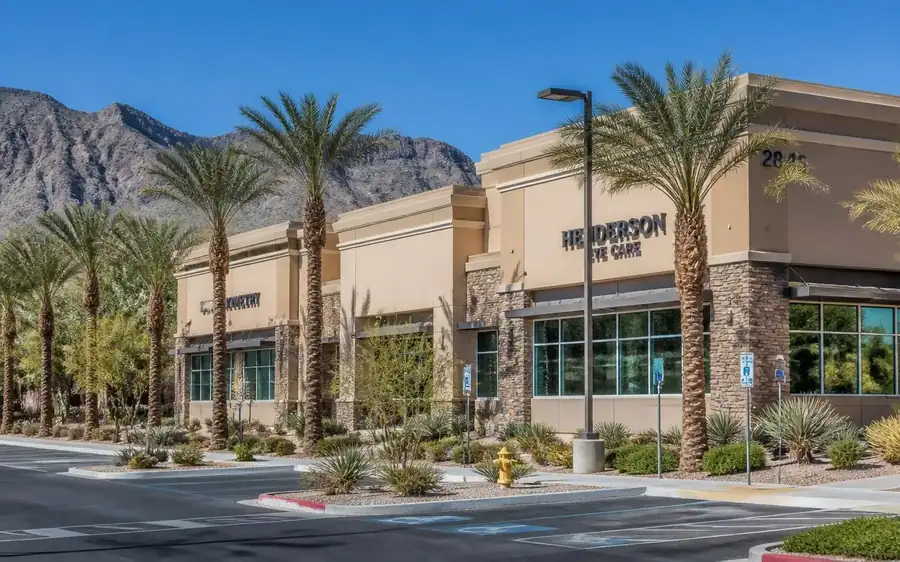
Group dermatology practices in Henderson get the same modifier discipline and pathology coordination as our Las Vegas clients.

Reno, Nevada

Reno

We bill for Reno-area dermatologists navigating northern Nevada's commercial payer mix alongside Nevada Medicaid.

North Las Vegas, Carson City & Sparks: solo and small-group dermatology practices across Nevada get the same coding accuracy and credentialing support as larger groups, with pricing that scales with collections — no large-group minimum.

Frequently asked questions

Can't find what you need? Our Nevada team answers every question before you commit.

Most Nevada practices are fully onboarded in 10–14 business days. We map your workflows, connect to your EHR and clearinghouse, migrate open work, and run a parallel period so nothing is dropped during the transition.

Yes. We bill Mohs surgery stage-by-stage (17311–17314) matched to operative documentation, along with any same-day reconstruction or repair codes the case requires.

Yes. We run cosmetic/self-pay procedures like laser treatments and fillers through a separate patient-estimate and invoicing workflow, distinct from insurance-billed medically necessary care.

Yes. We manage the full authorization lifecycle for biologic therapies — submission, renewal tracking, and appeals — to reduce patient-access delays.

Yes. We apply the correct modifiers and place-of-service codes for both synchronous and asynchronous store-and-forward telederm visits, matched to current Nevada payer policy.

Yes. We bill surgical pathology (88304/88305), special stains (88312), and immunohistochemistry (88341) with correct technical/professional component splits, and match specimen billing to pathology results.

Yes. We manage enrollment and credentialing with commercial payers, Medicare, and Nevada Medicaid, including revalidation, so new providers never bill against a pending contract.

Yes. Solo dermatologists and small groups make up a large share of our client base. Pricing scales with collections, with no large-group minimum.

Every workflow is HIPAA-compliant. Access is role-based and logged, staff complete annual HIPAA training, and we sign a Business Associate Agreement before any PHI is exchanged.

Pricing is a percentage of collections rather than a flat fee, so cost scales with what your practice actually collects. Exact rates depend on claim volume and procedure mix. We quote it directly during a free audit.

Free revenue audit

Get a free dermatology billing audit for your Nevada practice

Book a free 90-day revenue audit. We review your claims, denials, and aging — modifier by modifier, code by code — then show you exactly where the money is going. No cost, no obligation. We respond within one business day.